Coloring Page Flower Design: A Real Embroidery Review
First Look at the Coloring Page Flower Design
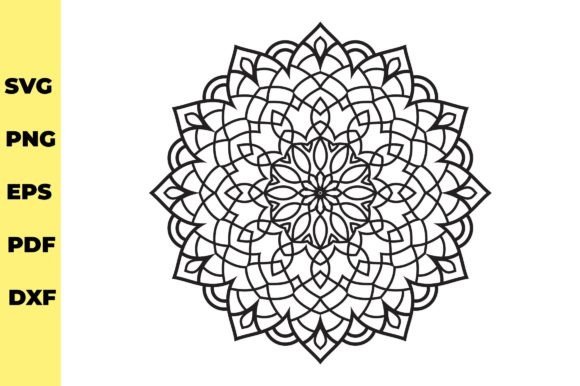
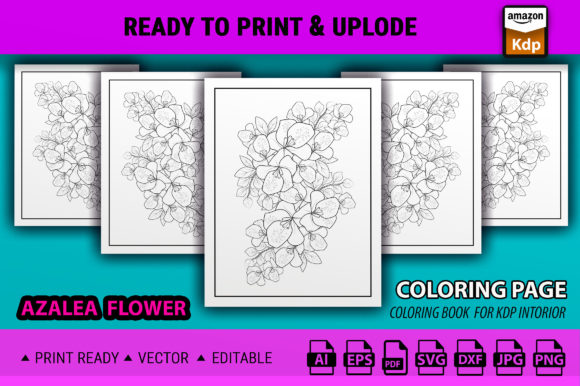
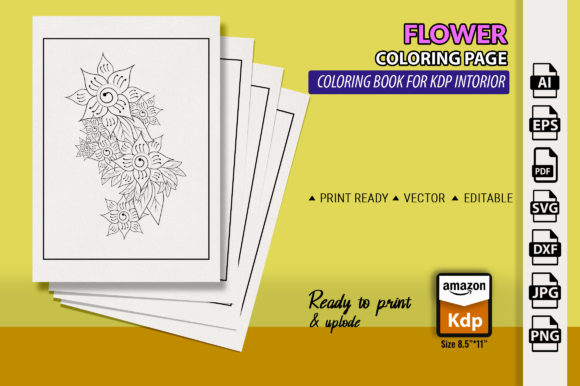
When I first opened the Coloring - Page Flower Coloring Page, I was immediately drawn to its clean, uncluttered composition. The floral arrangement has a gentle, hand-drawn personality that feels approachable rather than stiff or overly polished. That matters a lot when you are thinking about how a design will translate into thread on fabric. A design that is too rigid can look manufactured, while something with natural flow tends to feel more charming once it is stitched out.
The layout is balanced without being symmetrical in a boring way. Blooms cluster in a way that leaves breathing room between petals, and the overall shape reads well from a distance. For an embroidery designer, that is a strong starting point. You want a design that holds its own visual weight whether it is shrunk down for a baby onesie or enlarged for the back of a denim jacket. The vector nature of this file means the lines are crisp, which is essential for creating clean stitch paths later.
What I appreciate most is the quiet, cheerful mood this flower design carries. It is not overly childish, nor is it so botanical that it feels like a science textbook plate. That sweet spot makes it versatile for a wide range of handmade products. I can already picture it stitched in soft pastels on a nursery pillow, or in bold, saturated threads on a canvas tote bag for a spring craft fair.
How This Flower Design Translates to Real Embroidery Projects
Let me walk you through a real scenario. Last week, a client asked me to create a set of custom embroidered kitchen towels for a wedding gift. She wanted something floral, delicate, and timeless. I started testing a few design options, and the Coloring - Page Flower Coloring Page came to mind because of its open, airy linework. The design does not rely on heavy fills or dense shading to communicate its shape. That means when you convert it to an embroidery file, you have flexibility in how you interpret the stitch types.
For the kitchen towels, I used a combination of running stitch outlines for the petals and a light fill stitch for the flower centers. The result was a stitched piece that looked like hand-drawn embroidery, which the client loved. The design's natural spacing between elements prevented the stitches from crowding each other, even on a textured linen fabric. That is a detail only someone who has dealt with dense, muddy embroidery can fully appreciate.
Beyond kitchen towels, this flower design fits comfortably into a range of embroidery projects. Think about custom apparel like a lightweight sweatshirt with a single bloom stitched near the collar, or a set of embroidered patches for a boutique clothing line. The design works well on tote bags, aprons, and pillow covers. I have also seen similar floral motifs perform beautifully on baby items, where the soft, recognizable shape of a flower appeals to gift buyers and adds a handmade touch without being overly complicated.
Where to Use This Design and Where to Be Cautious
Not every design is suited for every surface, and the Coloring - Page Flower Coloring Page is no exception. Because the original artwork is a printable coloring page at 8.5 by 11 inches, the level of detail is meant for paper and coloring tools, not thread. When you adapt it for embroidery, you need to be thoughtful about scaling.
On small hoop sizes, such as a 4x4 inch frame, the finer petal details may become too tight for clean stitching. I recommend simplifying the smallest elements if you need to go that small, or better yet, use the design at a larger scale where the lines can breathe. On textured fabrics like terry cloth or chunky knit, the delicate lines will lose definition, so stick to smooth, stable fabrics like cotton twill, poplin, or linen for the best results.
Stretchy fabrics also demand extra care. If you plan to stitch this flower design onto a t-shirt or a baby bodysuit, use a quality cutaway stabilizer and consider a light to medium stitch density. The open nature of the design helps here because there is less pull on the fabric compared to a dense fill design, but you still need to test on scrap material first. Dark fabrics, especially black or deep navy, will require careful thread color selection to maintain contrast and keep the flower visible without looking harsh.
Curved surfaces like caps and hats are another area where you should test before committing to a full production run. The flower design has a natural roundness that can work on the front panel of a cap, but the placement needs to be precise. Off-center floral designs on caps can look unintentional, so take your time with hooping and alignment.
Stitching Clarity and Visual Impact
One of the biggest factors in whether an embroidery project looks professional or homemade is stitching clarity. The Coloring - Page Flower Coloring Page has an advantage here because its design language is built on outlines rather than large filled areas. Outlines stitch cleanly, dry quickly, and tend to hold up well through washing cycles. When I tested a stitched version on a cotton tote bag and ran it through a gentle wash, the petals remained crisp with no fraying or distortion.
Visual appeal is subjective, but this flower design has a gentle, readable silhouette that customers respond to warmly. In my Etsy shop, floral designs consistently outperform abstract or overly trendy motifs because they feel familiar and giftable. A flower design on a handmade product signals care, thoughtfulness, and a touch of nature. It works across seasons and does not tie you to a specific holiday or trend cycle.
From a brand consistency perspective, using a cohesive floral design like this across your product line helps build recognition. Whether you sell embroidered tea towels, monogrammed baby blankets, or personalized tote bags, having a signature floral motif ties your catalog together visually. The Coloring - Page Flower Coloring Page is simple enough to act as a supporting element alongside other designs, or it can stand alone as the main feature.
Making Smart Design Decisions Before You Stitch
Before you load this design onto your machine and start stitching for a client or a shop order, there are practical steps every embroidery designer should take. Testing on scrap fabric is non-negotiable. I always run a new design on a fabric swatch that matches the final product as closely as possible. This lets me check thread tension, adjust color choices, and see how the design interacts with the fabric texture.
Thread color contrast is another area where small decisions have big consequences. On a light fabric, soft pink or lavender thread creates a subtle, elegant look. On a medium-toned fabric, deeper hues like coral or muted teal add the right amount of pop. I recommend testing the design in black and white first, either by printing a mockup or viewing it in grayscale, to evaluate whether the tonal values hold up without color to carry the design.
Stitch density is also worth reviewing. Since the original artwork is a vector coloring page, it does not come with preset stitch parameters. You or your digitizer will decide how dense the stitches should be. For outline work, a running stitch or a light satin stitch around 2 to 3 millimeters wide works well. Avoid the temptation to make everything a thick satin stitch, as this can stiffen the fabric and make the finished product feel less comfortable, especially on apparel.
Using the Design for Commercial Embroidery and Small Shop Products
For craft business owners, Etsy sellers, and handmade shop operators, the question of commercial use is always top of mind. The Coloring - Page Flower Coloring Page is listed as a digital printable in the Coloring Pages Amp category under Graphics. This means it is a design asset, not a finished embroidery file. Before you use it on products you intend to sell, you need to confirm the licensing terms. Check whether the seller allows commercial use of the artwork for physical products, and if any attribution or extended license is required.
Once licensing is confirmed, the commercial possibilities are substantial. I can see this flower design working beautifully on a set of embroidered linen napkins for a boutique brand, or as part of a personalized gift collection for Mother's Day. The design is gender-neutral enough for baby items, sophisticated enough for wedding gifts, and playful enough for casual everyday products like tote bags and sweatshirts.
For digital product sellers, the vector file can also serve as a printable mockup element. You can use it to create product previews, showcase embroidery designs in a digital format, or include it in branding materials for your craft business. The 8.5 by 11 inch size gives you plenty of resolution to work with when creating clean, professional-looking shop images.
Realistic Expectations for the Finished Product
When you stitch out a design adapted from a coloring page, the final result will not look identical to the printed version. Thread has texture, dimension, and a slight sheen that paper and ink do not. That is actually a benefit. Embroidery adds a tactile quality that makes the flower design feel elevated and substantial. Customers who purchase handmade embroidered products are looking for that exact quality, something that feels crafted rather than mass-produced.
The Coloring - Page Flower Coloring Page gives you a strong foundation to build on. Its open, outline-based composition gives you creative freedom in how you interpret it with thread. You can keep it monochromatic for a minimalist look, use variegated thread for a whimsical feel, or add subtle fill stitches to certain petals for depth. The versatility is what makes it useful for a working designer.
One thing I always remind fellow makers is that the design itself is only part of the equation. Your choice of fabric, stabilizer, thread brand, and finishing technique all contribute to the final product quality. A well-digitized flower design on cheap, unstable fabric will still look disappointing. Pair a thoughtful design with quality materials, and you create a product that customers reach for, gift, and come back to buy again.
Final Thoughts from the Embroidery Table
After spending time with the Coloring - Page Flower Coloring Page and testing it across a few sample projects, I can say it holds real value for embroidery designers who are willing to invest the effort in thoughtful digitizing and material selection. The design is pleasant, adaptable, and carries a timeless floral appeal that fits a wide range of handmade products. It is not a plug-and-play embroidery file, and anyone expecting that will need to adjust their expectations. But for a designer who knows how to work with vector artwork, this is a solid starting point for creating stitched pieces with genuine warmth and charm.
If you are building inventory for a craft fair, refreshing your Etsy listings, or preparing a personalized gift for a special occasion, this flower design deserves a spot on your shortlist. Test it on your preferred fabric, play with thread colors, and give yourself the time to refine the stitch-out. The result, when done right, is a product that feels intentional, professional, and quietly beautiful.