Rose Flowers for Adult Coloring Pages Amp & Graphics
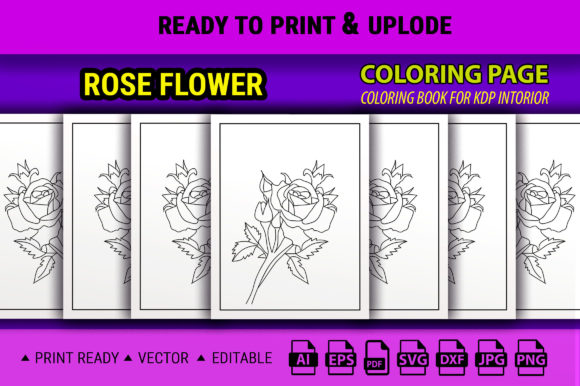
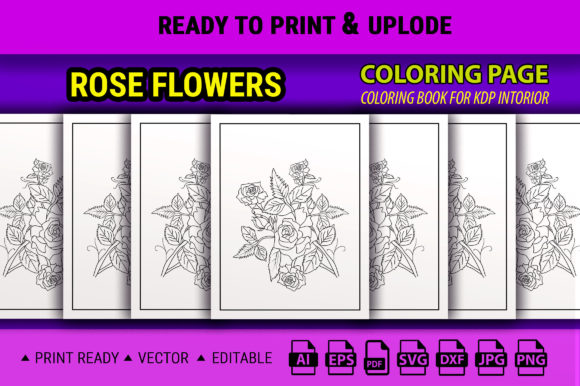
Unzipping the file for the first time, I immediately felt the calm, slightly vintage mood a well-drawn rose can bring. This isn't a chaotic bundle of clipart; it's a focused collection of floral line art, clearly built with a KDP interior in mind but flexible enough for a dozen other product types. The vector roots mean crisp lines at any size, and the 8.5×11 inch canvas gives a natural home for printable books, wall art, or planner inserts. For a seller trying to build a soothing, feminine, or nature-inspired corner of an online shop, this asset lands in a comfortable, reliable niche.
First Impressions of the Rose Flowers Coloring Pages
The illustrations fall somewhere between a botanical sketch and a decorative adult coloring page. They lean elegant rather than cute, sophisticated rather than playful. The rose petals have enough detail to feel "premium" without crossing into overwhelming, which is a balance a lot of coloring graphics miss. Because the original description mentions a digital printable Flowers Coloring Book For Kids KDP Interior, I expected simpler shapes, but the linework is detailed enough to appeal to adults looking for stress relief. That crossover potential is actually a selling point: you can market it to crafters, homeschoolers, and the mindfulness crowd without changing a single stroke.
From a purely visual standpoint, the roses carry a classic, almost heirloom quality. This makes them a strong candidate for printable wall art, greeting cards, and even wedding stationery if you tint the lines to gold or soft blush. The consistency across pages is good—no jarring style shifts—which helps when you're creating a cohesive product listing with multiple preview images.
Who Will Actually Buy This Style?
If you're selling on Etsy, Creative Fabrica, or a standalone Shopify store, you need to picture the end buyer. I see several clear audiences:
- Adult coloring enthusiasts who want floral pages with a romantic, vintage feel, not cartoonish flowers.
- DIY brides and event planners looking for rose line art to customize invitations, table numbers, or favor tags.
- Print-on-demand sellers who need a reliable graphic for mugs, tote bags, and t-shirts where a delicate floral pattern works.
- Scrapbookers and journal makers who want nature-themed elements that don't look like they came from a children's book.
- Digital product creators who build Canva templates for social media, planners, or lead magnets and need a soft, organic touch.
The mood is distinctly feminine, but not in a saccharine way, so it also fits self-care brands, wellness content, and even book cover designs. The broad appeal is a serious asset when you're trying to avoid a hyper-niche listing that only gets five views a month.
Turning Coloring Pages into Sellable Products
The obvious use is a printable coloring book. You can bundle these pages into a single PDF, add a cover, and list it as a digital download on Etsy or Gumroad. But limiting it to just that is leaving money on the table. The vector format—described as Adobe Illustrator files—means you can extract individual roses, recolor them, and use them as standalone design elements. I've tested similar assets by creating:
- SVG designs for Cricut and Silhouette projects, like vinyl decals, iron-on transfers, and layered paper art.
- PNG clipart with transparent backgrounds for junk journals, digital scrapbooking, and card overlays.
- Sublimation designs for tumblers, mugs, and throw pillows, where the fine line art prints beautifully on a light background.
- Printable wall art sets, where a single rose page becomes a 5x7 or 8x10 print, sold in a bundle of three sizes.
- Sticker sheets by isolating a few blooms and arranging them on a standard sticker paper template.
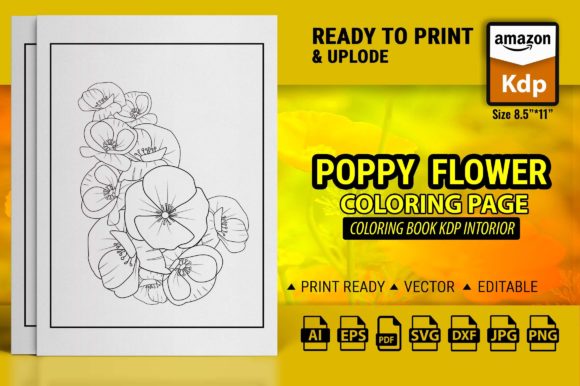
Because the original files are 8.5×11 inches, you inherit a standard size that works for most print-at-home customers. No awkward resizing needed, and you can scale down without losing quality.
Testing the Asset on Real Mockups
Before I ever publish a listing, I run every design asset through a battery of quick tests. For these rose coloring pages, I dropped them into a product mockup of a spiral-bound coloring book, a framed print, and a white ceramic mug. The line art stayed crisp on all three, even at thumbnail size. On a dark background, the lines held up as long as I converted them to white or gold—something you can easily do in Illustrator.
I also printed a test page on standard cardstock and on a sticker paper. The ink coverage was even, and the fine lines didn't break up or blur. That's a good sign for anyone selling physical printed products or offering a ready-to-print digital file. For Cricut users, I traced one rose in Design Space and cut it from adhesive vinyl. The cut lines were clean, though I did simplify a few overly intricate inner petals to avoid weeding nightmares. This is something to note: the original detail is beautiful for coloring, but for SVG design and cutting, you may need to remove the smallest internal lines for a practical cut file.
Where the Design Shines on Marketplaces
When you're building a product collection, visual consistency in your thumbnails and listing images can increase click-through rates. These rose illustrations have a uniform line weight and a hand-drawn feel that photographs well. I'd use them confidently in:
- Large product previews for printable bundles, where the detail invites zooming in.
- Themed bundles—pair them with peonies, botanical leaves, or vintage frames for a "Romantic Garden" collection.
- Social media graphics for Pinterest or Instagram, where a soft floral corner adds a branded, handmade look.
- Package design for a small handmade business, like soap labels or candle wraps, where the rose line art conveys natural elegance.
The versatility means you can use the same asset across multiple listings without looking repetitive. Recolor, resize, use a single bloom as a logo accent—the vector format gives you that freedom.
Handling Complexities: Cricut, Silhouette, and Cut Lines
While the drawings are well-structured, the intricate petal interiors can turn into a mess of tiny cuts if you're not careful. For Cricut projects and sticker design, I recommend deleting the smallest internal lines or using a simplify tool before exporting an SVG. If you're selling a cut file, explicitly note that it's best for larger cuts or print-then-cut sticker sheets. Small, weedy details on a 2-inch sticker will frustrate a customer, so test the cut on a sample before listing.
For t-shirt graphics or tote bag prints, the line art transfers beautifully via sublimation or screen print, but always check the PNG's transparency edges. Low-resolution exports can leave a jagged halo. Since the original files are vector, you can export at any resolution, but double-check your settings.
Font Pairings That Elevate Rose Graphics
Any printable product, from a greeting card to a social media template, needs text that complements the art. I tested these rose illustrations with a few font families, and the results aligned with what I'd recommend for a shop:
- Serif fonts like Playfair Display or Cormorant Garamond add a timeless, bookish feel, perfect for book covers and wedding stationery.
- Sans serif fonts (Lato, Montserrat) keep it modern and clean, great for blog graphics or minimalist wall art.
- Script fonts with a flowing, calligraphic style (Great Vibes, Alex Brush) pair naturally with the rose curves and create a romantic, high-end look.
- Handwritten fonts add a personal, journal-like touch, ideal for planner stickers or scrapbook elements.
When you're creating a Canva template for resale, pre-loading a few font pairings can save customers time and make your product feel more polished. I'd include a simple guide in the file folder.
Organizing Files for a Bulletproof Customer Experience
One of the worst mistakes I see in digital product shops is a messy download. A buyer unzips a folder and finds 50 unnamed files, missing formats, and no instructions. For this rose flower asset, I'd structure the folder clearly:
- PNG folder with transparent backgrounds, high resolution.
- SVG folder, with simplified cut files and a note about which ones are cutter-friendly.
- PDF with the full coloring book pages, ready to print.
- AI/EPS for designers who want to edit the vectors.
- JPG at 300 DPI for quick printing.
Providing multiple formats—as the product description hints by saying "Available in the following formats"—adds immediate value and reduces customer questions. It also makes your listing more competitive, especially on platforms like Creative Fabrica where buyers expect a grab-and-go experience.
Commercial Licensing: What You Must Check
Before you sell anything made with this asset, the licensing terms are non-negotiable. I always read the fine print twice. The fact that the original description mentions a KDP interior implies the creator likely allows commercial use, but you need to confirm: does the license permit selling on print-on-demand platforms? Can you use it in a logo or a trademarked design? Is there a limit on the number of end products? For Etsy sellers, a standard commercial license usually covers physical products and digital downloads, but I'd never assume. If the asset comes with a readme file, I store a copy for my records. If not, I reach out to the creator before including it in a best-selling bundle.
When to Use This Asset, and When to Skip It
This rose coloring page set is a reliable workhorse, but it's not a universal solution. I'd use it confidently for:
- Printable coloring books, wall art, and planner inserts.
- Romantic or nature-themed product bundles.
- Large-format prints and decorative mockups.
- Social media content where a soft, organic look adds professionalism.
I'd be cautious, or avoid it entirely, for:
- Very small stickers (under 2 inches) where the fine lines become illegible.
- Dark backgrounds unless you invert the lines or add a white outline.
- Text-heavy templates where the intricate rose competes for attention.
- Products that need a bold, graphic, or modern edge—this asset leans traditional and delicate.
If you're building a clean, minimalist brand, these roses might feel too ornate. But for a shop that sells handmade-looking, romantic, or vintage-inspired goods, they fill a gap beautifully. I'd test them in a seasonal "Spring Floral" bundle or a "Mother's Day" collection and watch the engagement. The key is matching the asset's personality to the buyer's expectation, and these roses are nothing if not consistent.