Kookaburra Mandala Coloring Page
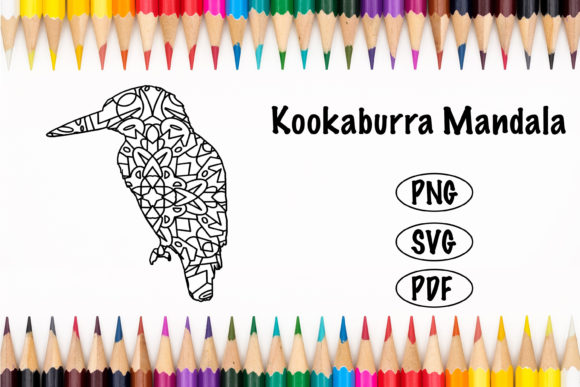
When I first opened the Kookaburra Mandala Coloring Page, the illustration immediately felt like a gentle nod to Australian wildlife with a creative, meditative twist. The kookaburra’s rounded body, perched on a simple branch, is filled with flowing mandala patterns that invite the eye to wander. As an embroidery designer who regularly scours graphics for new stitch concepts, I could already picture this bird resting on a canvas tote, a linen cushion, or a lightweight sweatshirt. The design has a calm, bohemian personality that appeals to both adults and teens, and the included SVG file gives me the vector foundation I need to begin digitizing a clean machine embroidery design.
How the Mandala Detail Shapes My First Impression
The kookaburra’s silhouette is soft and easily recognizable, and the mandala inside it is what really sets the mood. The repetitive petals, dotted arcs, and curved lines read like a mindful coloring exercise, and that same intricacy promises a richly textured embroidery file. I appreciate that the linework is clear and not overly crowded. In embroidery terms, the design feels like it would translate to a combination of running stitches for the finer mandala contours and carefully placed fill stitch segments for the bird’s body. The overall shape avoids sharp, awkward corners, which is a practical bonus when you start assigning stitch directions in digitizing software. The visual personality is friendly, earthy, and just detailed enough to feel special without becoming a nightmare to stitch out.
Where I’d Use This Design in a Real Embroidery Project
I tend to think in terms of finished products, not just files. The Kookaburra Mandala Coloring Page immediately suggests a few product categories where it would feel at home. A mid-sized tote bag design is my first thought—something that shows off the mandala detail without forcing the embroidery machine to tackle tiny elements. I also see it working beautifully on a sweatshirt back panel, a denim jacket yoke, or a decorative pillow cover for a nature-themed nursery. Because the bird itself is cute and approachable, it could easily slide into baby embroidery projects, like a soft blanket or a little tee, but I’d be careful to scale the mandala so it doesn’t become too dense against delicate skin. The design also feels right for a boutique market stall, where personalized gifts and handmade small-batch items catch the eye of creative shoppers.
Real Stitch Scenario: The Market Tote Experiment
I recently pulled the SVG into my embroidery software to test a concept for a custom tote bag order. The client wanted something that felt Australian, meditative, and gift-ready. After importing the vector, I spent time checking how the mandala lines would convert to stitch paths. The tight swirls near the kookaburra’s chest needed careful stitch density adjustments to avoid puckering on the canvas fabric. I ended up using a fine running stitch outline for the mandala interior and a light fill stitch with a satin stitch border for the bird’s outer edge, which gave the design a crisp, hand-drawn look. I also played with thread colors: a warm ochre body, charcoal mandala lines, and a pop of soft blue in the wing accents. The sample stitched out cleanly on a medium-weight cotton tote with a layer of cutaway stabilizer, and the result felt professional and gift-shop ready. That real-world test confirmed that the Kookaburra Mandala Coloring Page, when digitized thoughtfully, can hold its own as a finished product.
When the Mandala Meets the Machine: Practical Stitch Behavior
I always remind myself that a graphic designed for coloring pages isn’t automatically an embroidery file. The Kookaburra Mandala Coloring Page provides a beautiful starting point, but the transition from vector to stitch requires a few key decisions. The mandala’s delicate details, if left at full scale, could create stitch density troubles on thinner fabrics. I’d advise any embroidery designer to test the design on a scrap of the intended fabric before committing to the final product. Pay attention to how the thread colors contrast with the background—light fabrics let the mandala shine, while dark fabrics might demand a lighter thread palette or a solid underlay to keep the bird visible. Hoop size matters too; the design naturally wants to be at least four inches wide to preserve the internal linework, which means it’s better suited for larger hoop frames. If you’re planning to use it as an embroidered patch, the detail level holds up nicely, but only if you keep the patch size generous.
Fabric, Texture, and Careful Placement
This is not a design I’d throw onto a stretchy, thin knit without serious testing. The mandala sections, with their many small paths, can distort if the fabric shifts during stitching. A stable woven medium, like quilting cotton, denim, or a sturdy canvas, gives the best results. I’d be cautious about using it on caps or sharply curved surfaces, because the circular mandala pattern inside the bird can look warped when pulled across a curved crown. For a cap, I’d simplify the mandala or choose a flat placement area. Towels and textured fabrics also pose a challenge—the intricate lines might sink into the pile and lose crispness. That said, on a smooth apron or a kitchen tea towel, the design’s whimsical feel adds a charming, handmade product vibe that customers often love.
How the Design Affects Product Value and Customer Trust
When I evaluate any design asset for my small business, I think about the story it tells. The Kookaburra Mandala Coloring Page has a gentle, artisanal quality that lifts a simple product into something that feels intentional. A handmade tote featuring this bird says “thoughtful gift” far more than a generic logo. That emotional layer can boost perceived value and help Etsy sellers or craft fair vendors stand out. The mandala detail also suggests care and precision, which builds trust with buyers who appreciate well-executed embroidery. I’ve noticed that designs with a recognizable animal and an artistic twist tend to stop people in their tracks—this kookaburra does exactly that. It’s memorable, and that’s gold for brand consistency and repeat customer engagement.
Designer Notes for a Professional Embroidery Finish
Before you stitch, open the SVG and isolate the elements you want to digitize. The design is delivered as a coloring page, so you’ll need to decide how to handle the mandala fill. I recommend using the PDF or PNG as a visual reference, then digitize from the clean vector paths for the best stitch accuracy. Always test your thread color match, especially if you’re planning a custom apparel line—the warm earth tones that work on a mockup might look muddy on a dark sweatshirt. Check the stitch sequence to avoid unnecessary trims in the middle of the mandala, which can slow production and add bulk. If you’re using the design for commercial embroidery, confirm the licensing terms with the graphic’s creator, because the product description mentions KDP and home printing, not necessarily embroidery-specific commercial rights. Once you’re cleared, you can confidently include the digitized version in your Etsy listings, craft business product line, or personalized gift inventory.
Small-Scale Use and the Mandala Challenge
I tested a scaled-down version for a baby onesie, and the mandala quickly lost its charm. The tiny gaps between lines started to blend, and the bird’s expression became muddled. I’d avoid using the Kookaburra Mandala Coloring Page in hoop sizes under 4x4 inches unless you strip the mandala down to a simpler outline. For an applique interpretation, you could keep the outer bird shape and skip the internal mandala, but then you’d lose the very thing that makes the design special. This is a design that thrives at a medium-to-large scale, where the satin stitch outlines and fill stitch areas can breathe. If you’re a maker who loves embroidered patches, consider a 5-inch round patch—the mandala bird fits neatly and becomes a collectible piece.
Thread Choices and Color Personality
The kookaburra itself is a bird known for its earthy plumage and flashes of blue, and the mandala framing gives you a chance to play with thread hues. I’d lean into soft, natural tones—warm browns, dusty teal, cream, and a touch of rust—to keep the design organic and giftable. A monochrome version in charcoal thread on a cream fabric also reads beautifully for a more minimal, modern boutique product. Because the original graphic is a black-and-white coloring page, it’s a blank slate for thread experimentation. I always test a few thread color combinations on a scrap before committing to a batch of tote bags or sweatshirt embroidery. The difference between a flat, lifeless stitch-out and a vibrant one often comes down to the thread’s sheen and how it catches the light against the fabric texture.
Building a Product Line Around the Design
For small shop owners, the Kookaburra Mandala Coloring Page can function as a versatile design asset. Pair it with a matching greeting card or a printable mockup to create a cohesive gift set. I’ve seen similar designs used on holiday embroidery projects—imagine a Christmastime tote with a kookaburra dressed in a tiny eucalyptus sprig. The Australian theme also makes it a perfect candidate for traveler’s keepsakes or destination boutique merchandise. If you’re an Etsy seller, a listing featuring this bird on a linen pillow cover or a tea towel can attract buyers looking for unique, handmade home decor. The key is to maintain the crisp, clean look that the SVG promises, and never cut corners on stabilizer or stitch quality. When the finished product looks professional, customers feel they’re getting a piece of art, not just a printed design.
Final Thoughts from the Stitch Room
The Kookaburra Mandala Coloring Page is a graphic that genuinely excites me as an embroidery designer. It’s not a ready-to-stitch embroidery file, but the SVG backbone gives me the creative control to build a custom machine embroidery design that suits my specific project. The charming Australian bird, with its mandala-filled body, has a mood that feels both mindful and marketable. I’d use it confidently on tote bags, sweatshirts, and decorative home textiles, always with a test stitch first and a careful eye on stitch density. For anyone creating personalized gifts, custom apparel, or boutique craft products, this design offers a fresh, nature-inspired focal point. Just remember to check your hoop size, choose the right stabilizer, and respect the original licensing—then let the kookaburra bring a little Australian calm to your next embroidery project.